
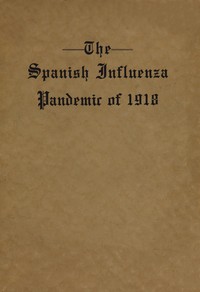
The Spanish Influenza Pandemic of 1918 by Oscar Jewell Harvey
Oscar Jewell Harvey's The Spanish Influenza Pandemic of 1918 is a unique piece of history. It's not a sweeping global narrative. Instead, Harvey, a local historian, documents exactly how the pandemic unfolded in his own city of Wilkes-Barre, Pennsylvania. He wrote it in 1920, so the memories were fresh, the details sharp.
The Story
The book walks us through the pandemic's arrival in the city, step by step. It starts with the first reported cases, the initial public disbelief, and then the rapid, terrifying spread. Harvey lists the official orders: closing schools, banning public gatherings, mandating masks. He notes the practical chaos—hospitals overflowing, undertakers overwhelmed, the struggle to find enough nurses. He includes tables of death counts and copies of official bulletins, but he also captures the human moments: the fear, the rumors, the community efforts to cope, and the slow, tentative return to normal life.
Why You Should Read It
What makes this book so compelling is its narrow focus. By zooming in on one place, Harvey makes the immense tragedy feel concrete. You see the direct impact of a state order on a local theater. You feel the weight of a weekly death toll in a familiar neighborhood. Reading it today, especially after our own recent pandemic, is a powerful experience. The parallels are sometimes startling—the debates over closures, the mask ordinances, the public fatigue—but so are the stark differences in medical knowledge and resources. It’s a sobering reminder that communities have faced this kind of fear and disruption before.
Final Verdict
This book is perfect for anyone interested in social history, public health, or just incredibly vivid historical snapshots. It's not a light read, but it's a relatively short and focused one. You won't get a grand scientific explanation of the virus (they didn't have one then!), but you will get a raw, authentic account of how people lived through it. If you enjoyed the community-level stories from the COVID-19 pandemic, this is the 1918 version. It’s a quiet, essential record of resilience and loss, written by someone who was just trying to make sense of it all.
This work has been identified as being free of known copyright restrictions. You can copy, modify, and distribute it freely.
Jennifer Thompson
4 months agoAs someone who reads a lot, it provides a comprehensive overview perfect for everyone. Exceeded all my expectations.
Karen Hernandez
11 months agoHigh quality edition, very readable.
John Davis
5 months agoI stumbled upon this title and the depth of research presented here is truly commendable. This story will stay with me.
James Wright
8 months agoSimply put, the depth of research presented here is truly commendable. Highly recommended.



John Martinez
1 year agoThe layout of the digital version made it easy to start immediately, the breakdown of complex theories into digestible segments is masterfully done. It definitely lives up to the reputation of the publisher.